





ASPIRE
Asia Pacific Initiative on Reproduction
Aspire Logo
Asia Pacific Initiative on Reproduction
Bridging Reproductive Medicine Across Asia Pacific
Live & Upcoming EduConnect

Webinar | Webseries | Podcast

ASPIRE Learning Hub
Educational Resources
Explore Portal
Upcoming Events
Jul2026
ASPIRE Session @ Japan Society of Fertility and Implantation (JSFI)
Aug2026
Fertility Society of Australia and New Zealand Annual Conference
Sep2026
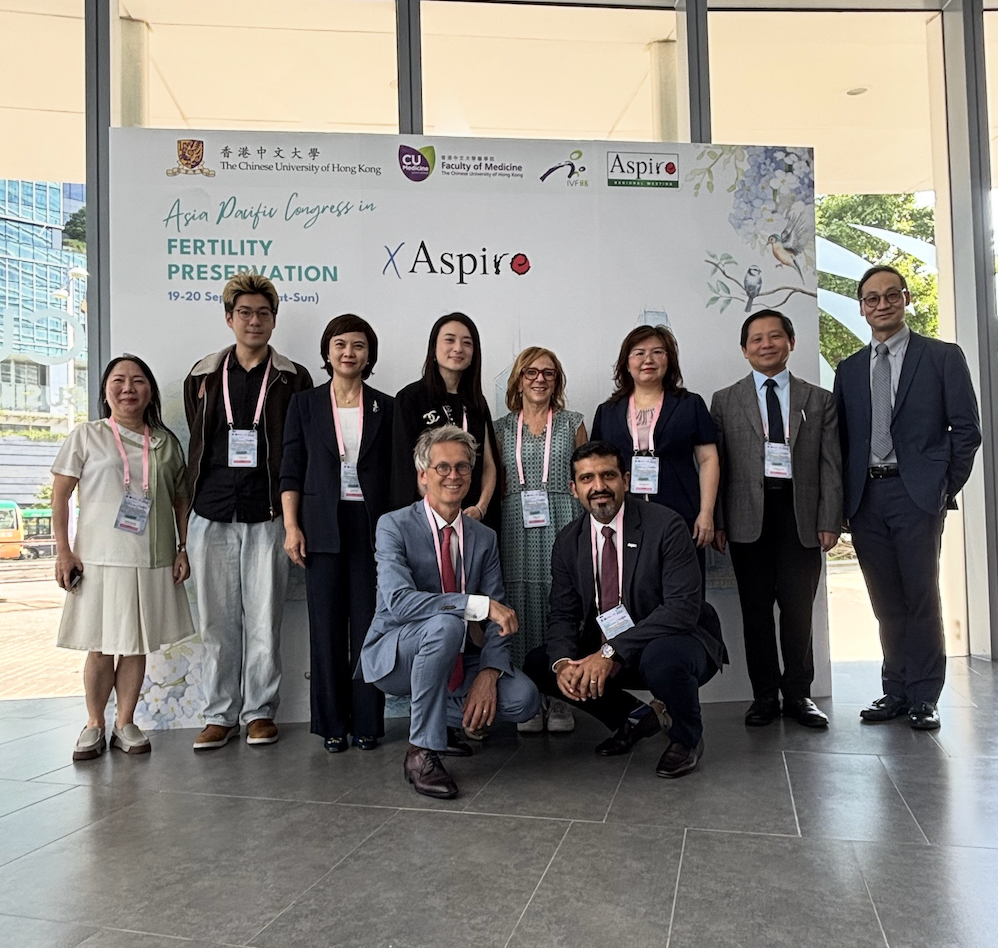
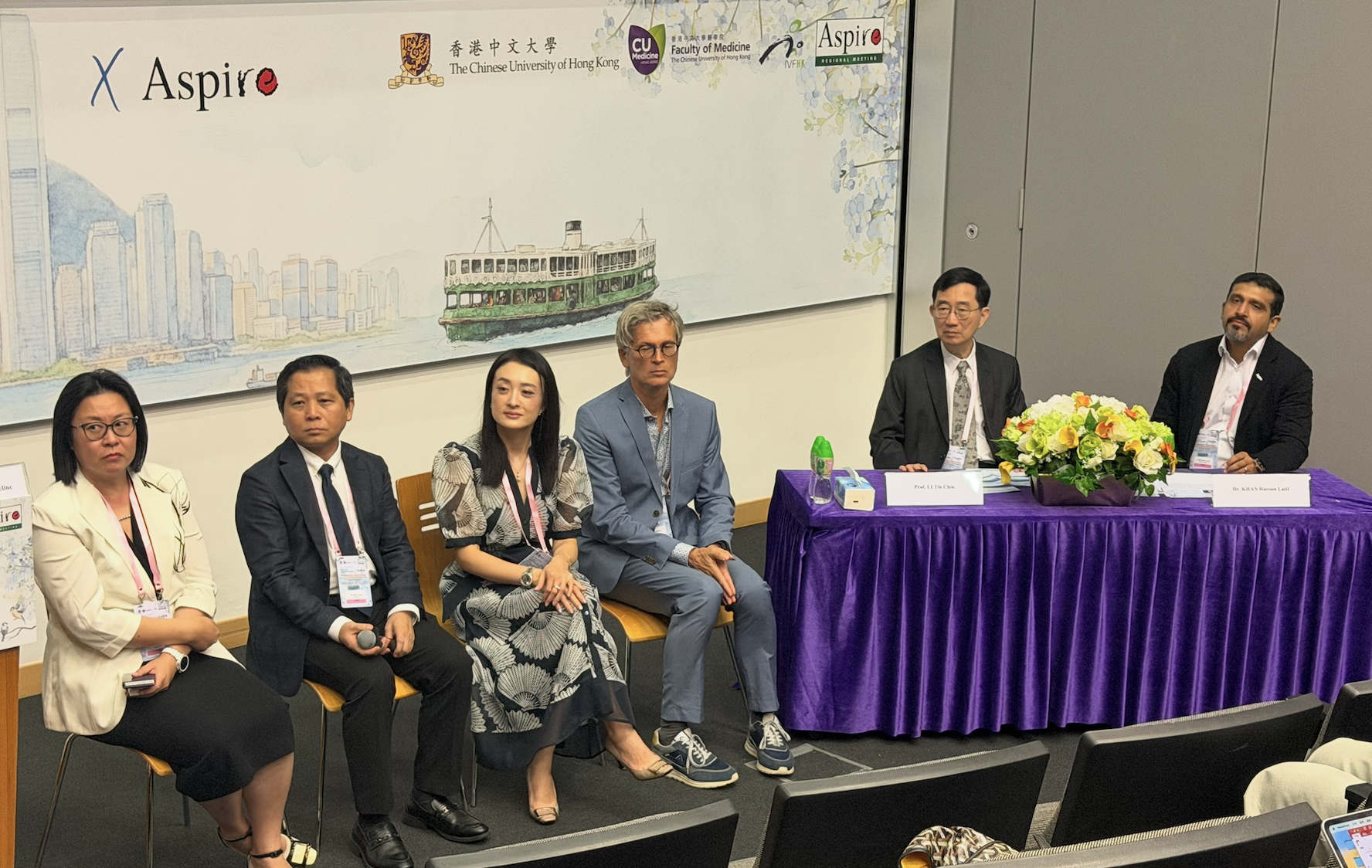
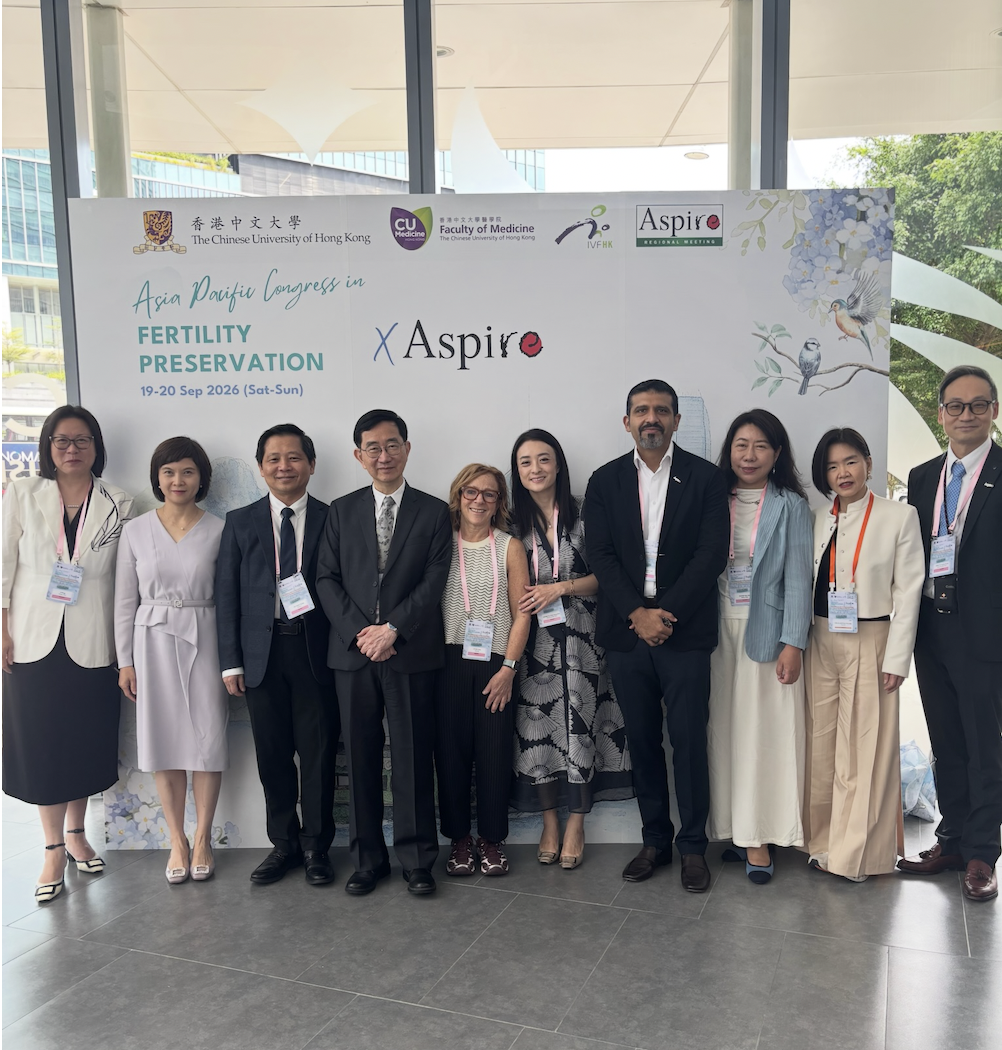
ASPIRE Regional Meeting: Asia Pacific Congress in Fertility Preservation 2026
Oct2026
The 9th National Congress of Indonesian Association of Reproductive Endocrinology and Fertility
Oct2026
15th Masterclass on Recurrent Implantation Failure (RIF) - From Mechanisms to Management
Latest News & Updates

Australia’s assisted reproductive technology sector is entering an important period of transition to strengthen safety, quality, oversight and transparency.

The Australian Government Department of Health, Disability and Ageing has outlined a national reform program designed to improve the experience of patients, donors, donor-conceived people and families engaging with fertility care. 

A consultative program informed the program including engagement with donor-conceived people, donors, people who have used ART services, including egg freezing, and those who have supported someone through ART treatment.

A key component of the reform agenda is the development of an independent national accreditation scheme for ART services based on updated national safety and quality standards.

The standards will cover:

  • performance monitoring metrics; 
  • workforce and staffing guidance; and
  • safety requirements for new and emerging technologies.

Until the new accreditation scheme is fully operational, the current regulatory framework will remain in place with the Reproductive Technology Accreditation Committee continuing to manage accreditation, certifications and annual surveillance audits. 

The Fertility Society of Australia and New Zealand has welcomed continued collaboration between governments, regulators, professional bodies, clinics and the wider community as the reform program progresses.

For further information go to https://www.health.gov.au/our-work/assisted-reproductive-technology-sector-reforms

ASPIRE News 12 Aug 2026
Reform processes in the Australian ART sector

Australia’s assisted reproductive technology sector is entering an important period of transition to strengthen safety, quality, oversight and transparency.

0 3

ASPIRE was proud to take part in two major reproductive medicine meetings in Asia in the month of July: PITPOGI 2026 (Indonesia) and JSFI 2026 (Japan), reaffirming our commitment to education, collaboration, and the growth of the reproductive medicine community across the region.

At PITPOGI 2026, ASPIRE contributed to the scientific programme through a keynote lecture by Professor Jung Ryeol Lee, who presented "Translational Research in Ovarian Function Restoration: From Unmet Needs to Scientific Advances." His talk explored the latest developments in ovarian function restoration and sparked lively discussion among delegates.

At JSFI 2026, ASPIRE organised a dedicated scientific session with distinguished faculty members Dr David Chan, Dr Hong Yuan Huang, Dr Keshav Malhotra, and Dr Haroon Latif. Their presentations spanned a wide range of topics — time-lapse incubator efficacy, microfluidics-based sperm selection for male factor infertility, digital traceability and quality management in IVF laboratories, and practical applications of artificial intelligence in IVF clinics.

Beyond the scientific sessions, ASPIRE also maintained an on-the-ground presence at both congresses, engaging delegates on membership benefits, educational programmes, and professional development opportunities while connecting with the local fertility communities.

We are grateful to everyone who stopped by our booths, joined our sessions, and engaged with us. ASPIRE looks forward to building on these partnerships as we continue to support education, collaboration, and excellence in reproductive medicine throughout the Asia-Pacific region.


ASPIRE News 07 Aug 2026
ASPIRE at PITPOGI 2026 and JSFI 2026: Building Regional Ties

ASPIRE was proud to take part in two major reproductive medicine meetings in Asia in the month of July: PITPOGI 2026 (Indonesia) and JSFI 2026 (Japan), reaffirming our commitment to education, collaboration, and the growth of the reproductive medicine community across the region.

1 3

ASPIRE’s outstanding 2026 Congress in Beijing accelerated its growing status on the world stage of fertility health and assisted reproductive technology.

Around 3,300 delegates attended the Beijing Congress with many of the 60 countries represented attending ASPIRE’s premier annual event for the first time. 

Renowned for its academic and research institutions, Beijing is a hub for science, technology and international collaboration. China is the biggest provider of assisted reproductive technology services in the world and for Beijing, a city of 22 million people, it was the 20th anniversary of the first ASPIRE Congress in 2006.

President, Dr Haroon Latif, said ASPIRE was building a new era of cross border collaboration and networking to widen membership and influence.

“Our region accounts for over two-thirds of the world's IVF cycles and ASPIRE continues to play a critical role in advancing clinical standards, education, and research in reproductive medicine across the Asia Pacific.”

Dr Latif said the success of the Beijing meeting augurs well for ASPIRE’s 2027 Congress in Yokohama, Japan next May. 

“Thousands of specialists in assisted reproduction from across the world came to the Congress in Beijing to address fertility health challenges that impact on the Asia Pacific region and beyond,” he added.

“Throughout its relatively short history, assisted reproductive technology has faced many challenges, but it has overcome each of them to support those striving for parenthood.”

Dr Latif said ASPIRE had grown to become one of the world’s biggest and most influential societies in assisted reproduction and it has created dynamic education and awareness programs with communication technologies reaching participants across the globe.

“ASPIRE has established close links with other international bodies including the European Society of Human Reproduction and Embryology, the American Society for Reproductive Medicine, the International Federation of Fertility Societies and the Global Andrology Forum,” he explained.

“We are working collaboratively to achieve our objectives including raising awareness and understanding of infertility and to address vital issues of equitable and affordable access to care.

“I look forward to working closely with our dynamic ASPIRE community and the exceptional Board that guides it. With our shared commitment, collective wisdom, and deep expertise, I am confident that we can shape a future for ASPIRE that is impactful, inclusive and truly transformative for reproductive health across the region.”

ASPIRE News 04 Aug 2026
Building on the success of ASPIRE’s Beijing Congress

ASPIRE’s outstanding 2026 Congress in Beijing accelerated its growing status on the world stage of fertility health and assisted reproductive technology. Around 3,300 delegates attended the Beijing Congress with many of the 60 countries represented attending ASPIRE’s premier annual event for the first time.

2 10
Read All News & Updates

Share this News